


UNICEF Young Envoys Survey : Nearly 70% of Student Respondents Consider Themselves Highly Perfectionist
09/10/2026
Respondents report having struggled with stress, burnout and sleep problems
Young Envoys put forward five recommendations, calling on families, schools and the community to work together in supporting adolescent mental health
Hong Kong, 9 October 2026 – UNICEF Young Envoys Programme, launched by Hong Kong Committee for UNICEF in 1996, is celebrating its 30th anniversary this year. Designed to deepen young people's understanding of children's rights and inspire advocacy, the Programme engages participants through field studies, site visits, community projects, and research. This year, 36 Young Envoys visited Hanoi and Shenzhen to gain deeper insight into the issues facing children and youth across different cities.
Centered on United Nations Sustainable Development Goal 3: Good Health and Well-being, UNICEF Young Envoys 2026 Survey Team examined secondary students' perceptions of perfectionism alongside their self-reported stress and overall wellness. Based on 378 responses from students aged 12 to 17, the survey highlights that while many strive for high performance, a portion experience significant emotional and daily strain.
Nearly 70% of Students Surveyed Report High Perfectionist Tendencies
67% of respondents considered themselves highly perfectionistic, while around 70% believed the same tendency existed among their peers. Nearly half of respondents (49%) defined perfectionism as setting excessively high standards and feeling disappointed when those standards are not met. By contrast, only 24% viewed perfectionism as a healthy motivation for self-improvement.
Among the perceived causes of unhealthy perfectionism, fear of failure (31%) ranked highest, followed by peer pressure (21%) and family expectations (19%). These insights show that effective youth support must look beyond personal resilience tactics to address student stress across home, academic, and social settings. This aligns with the World Health Organization guidelines, which stress the vital role of supportive environments—spanning family, school, and community—in safeguarding youth mental health.
Surveyed Students Report Concerning Levels of Stress and Burnout
Additionally, the survey showed that more than half of respondents rated their mental health as moderate to poor. Over 83% reported experiencing academic burnout or chronic stress, while around 60% had experienced depressive emotions or severe procrastination linked to perfectionist pressures. 77% reported a loss of learning motivation, 66% experienced sleep disturbances, and 58% indicated that their interpersonal relationships had been affected.
These results are based on self-reported data and do not constitute clinical diagnoses. Experiencing "depressive feelings" is not the same as clinical depression, and issues like burnout, procrastination, or sleep difficulties can stem from a variety of factors. If emotional or physical distress persists, worsens, or interferes with daily life, young people should reach out early to a trusted adult and receive appropriate professional support when needed.
Prioritizing Youth Well-Being Through Sustained, Tailored Support
More than 66% of respondents stated that poor mental health had directly contributed to physical health problems. 37% reported experiencing stress-related symptoms on a weekly basis, including chronic fatigue, sleep problems and gastrointestinal discomfort.
The survey also revealed that listening to music and engaging in leisure activities are common ways students cope with stress. While 82% agree that exercise benefits physical and mental health, only 30% report exercising four or more times a week. The World Health Organization identifies healthy sleep patterns, regular exercise, coping skills and supportive relationships as key factors in promoting youth mental health. However, these cannot replace professional assessment or support when needed.
Five Recommendations from UNICEF Young Envoys
UNICEF Young Envoys 2026 Survey Team calls on all sectors of society to stop equating "striving for growth" with "never making mistakes," and outlines the following recommendations to make support more inclusive and accessible:
- Promote Growth Mindset Education and reframe perceptions of failure. It is recommended that schools integrate Growth Mindset education into both formal curricula and counselling programmes to help students see failure as a step toward learning and reduce their fear of making mistakes.
- Establish regular Home-School Communication Mechanisms to encourage reasonable expectations. Schools should collaborate with Parent-Teacher Associations (PTAs) to hold regular themed workshops that enhance parent-child communication and move away from treating academic results as the sole measure of a child's value.
- Strengthen School-Based Professional and Peer Support Networks for early identification and intervention. The Education Bureau and school administrations should review the service needs and arrangements for stationing school social workers and educational psychologists. Schools should also explore implementing a "Peer Support Ambassador" programme to equip students with basic listening skills and help-seeking information. Peer support should focus on companionship and encouraging help-seeking, while risk identification, assessment, and intervention must remain the responsibility of qualified professionals.
- Integrate Exercise and Emotional Regulation Education into student learning. Schools are advised to embed practical knowledge about physical and mental health into Physical and Health Education programmes. Through hands-on, experiential activities, students can develop regular exercise routines that fit their lifestyles, strengthening their ability to manage stress.
- Foster Cross-Sector Collaboration and develop accessible mental health screening tools. Deeper collaboration across the education, social welfare, and healthcare sectors should be established to raise public awareness of youth mental health. If youth mental health self-assessment or screening tools are developed, qualified professionals must be involved to carefully address clinical appropriateness, privacy safeguards, and follow-up support, ensuring young people in need can seek help early.
UNICEF's guidelines on school mental health highlight that fostering student well-being demands joint participation from the education sector, caregivers, and relevant service providers.
Disclaimer:
This survey was conducted by the UNICEF Young Envoys 2026 Survey Team, gathering responses from 378 secondary school students aged 12 to 17 through online questionnaires. The findings and views expressed do not represent the positions or policies of UNICEF HK, UNICEF’s affiliated offices, sponsors, or partners.
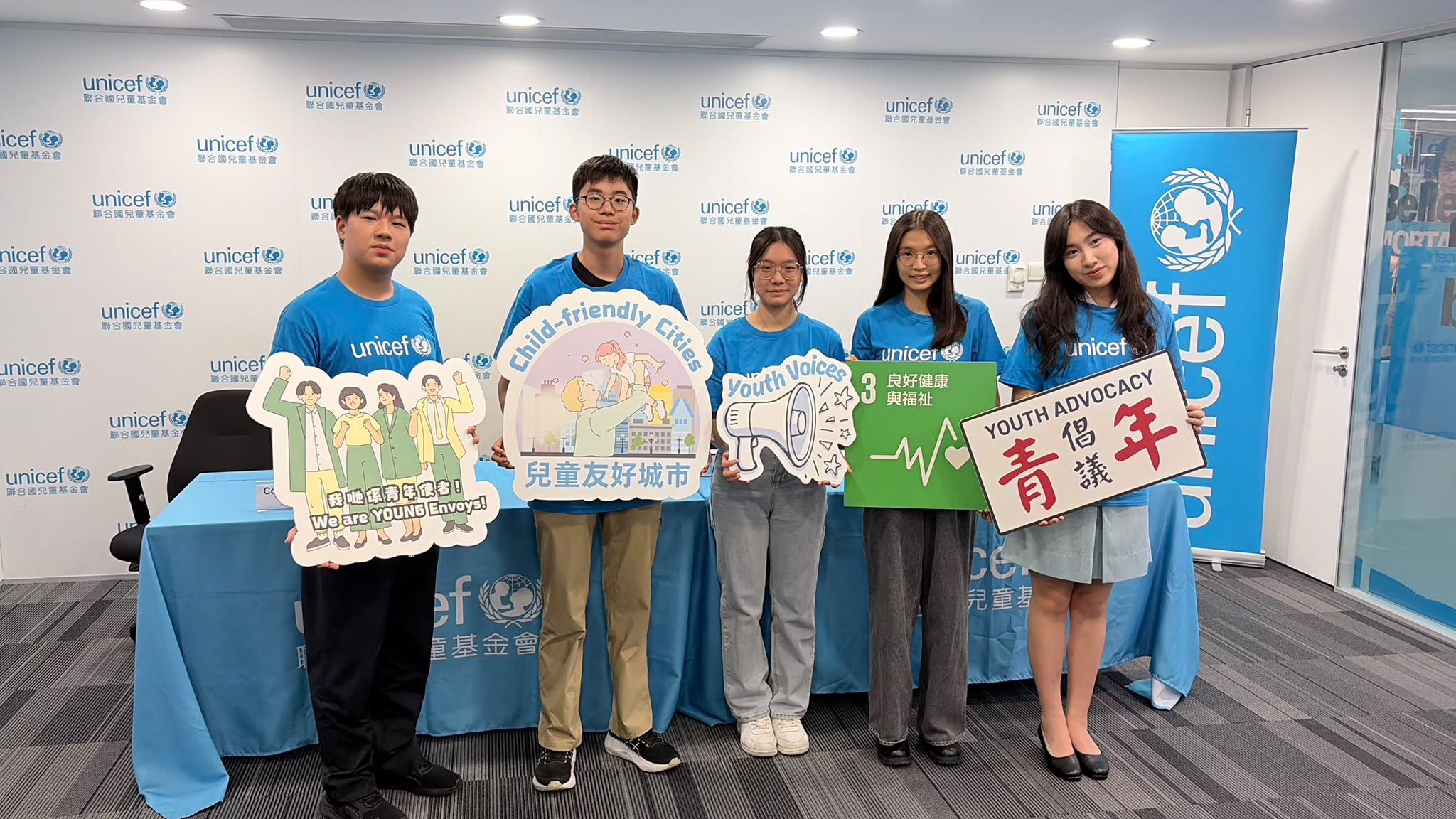
With a focus on United Nations Sustainable Development Goal 3: Good Health and Well-being, UNICEF Young Envoys 2026 gathered responses from 378 students aged 12 to 17 across Hong Kong through online questionnaires and found that unhealthy perfectionism is increasingly prevalent among those surveyed and closely linked to a range of mental and physical health challenges. Attending UNICEF Young Envoys (from left to right) : Thomas Chen, Brendan Chow, Candace Chiu, Viann Qin and Chloe Chan.
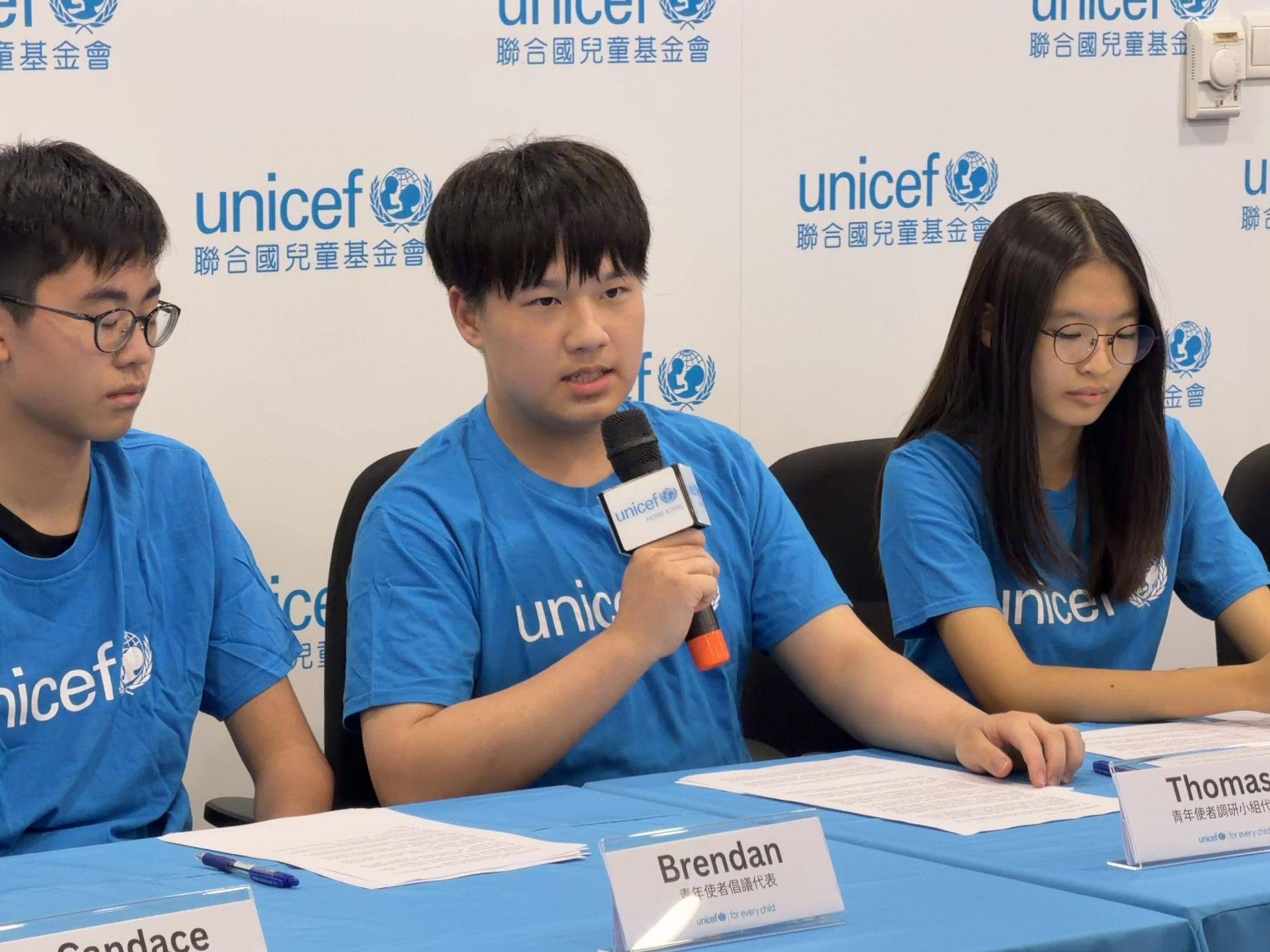
Thomas Chen, Representative of Survey Team (centre), the UNICEF Young Envoys 2026, presented the findings, highlighting that perfectionism has negatively impacted the mental health of the surveyed youth, contributing to depressive emotions, academic burnout, and disruptions to their sleep and interpersonal relationships.
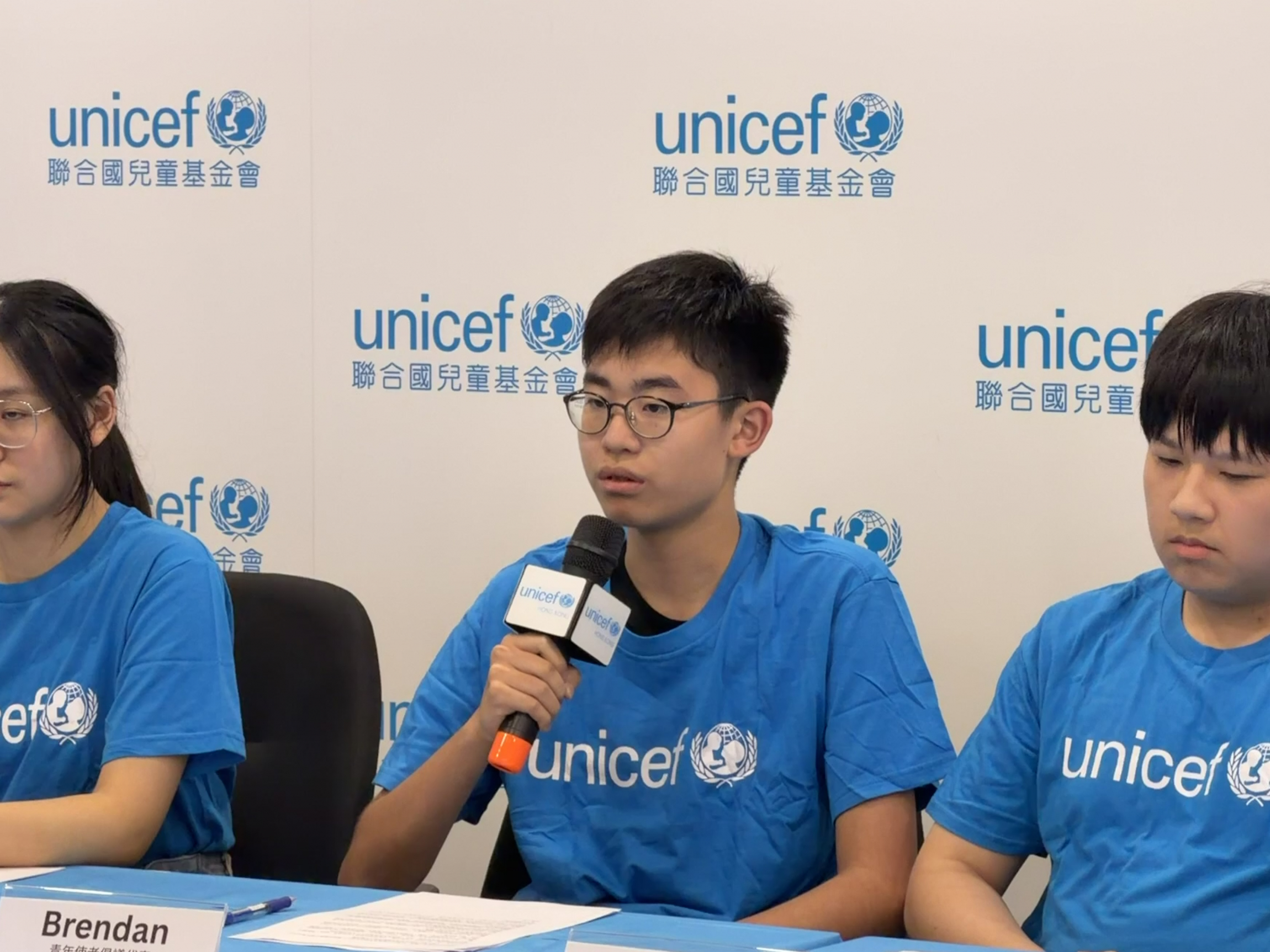
Brendan Chow, UNICEF Young Envoys 2026 (centre), presented the five recommendations proposed by the UNICEF Young Envoys, including promoting Growth Mindset Education and reframing perceptions of failure, and establishing regular Home-School Communication Mechanisms to encourage reasonable expectations.
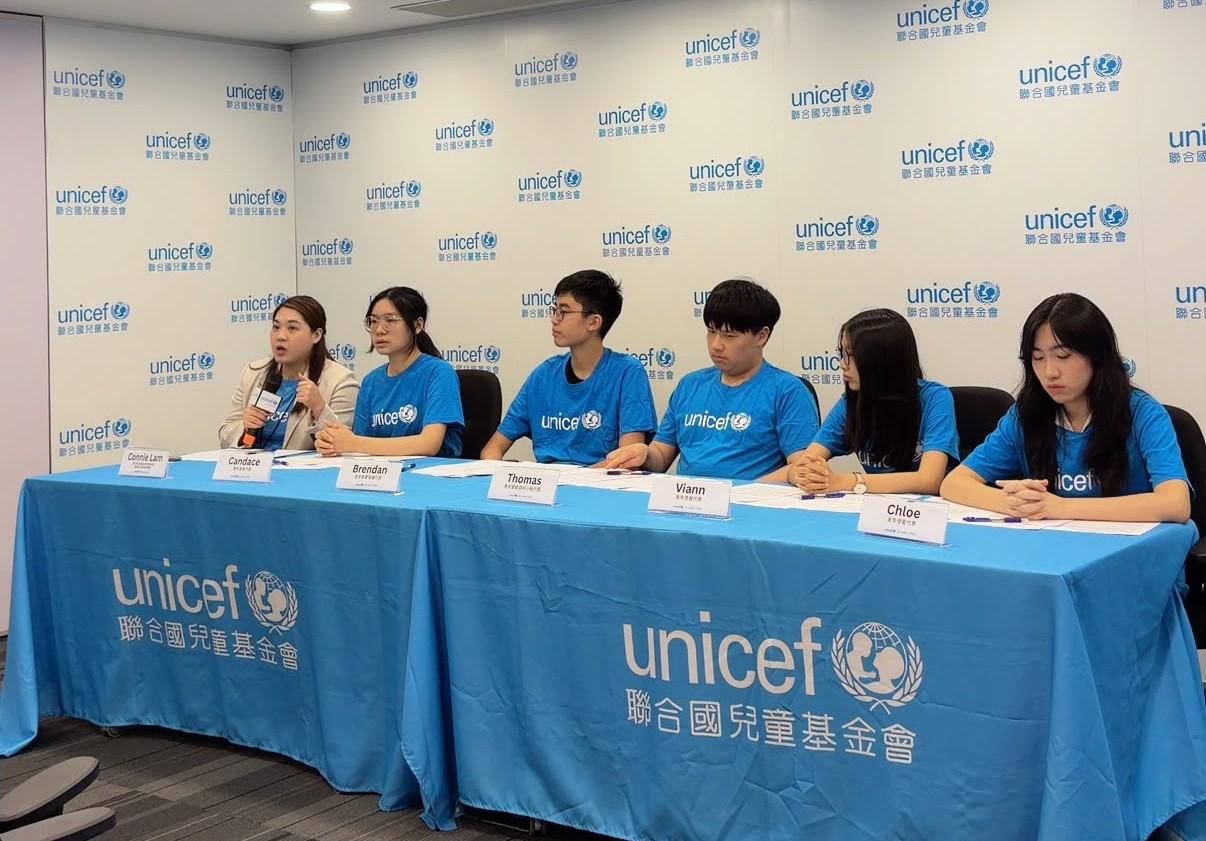
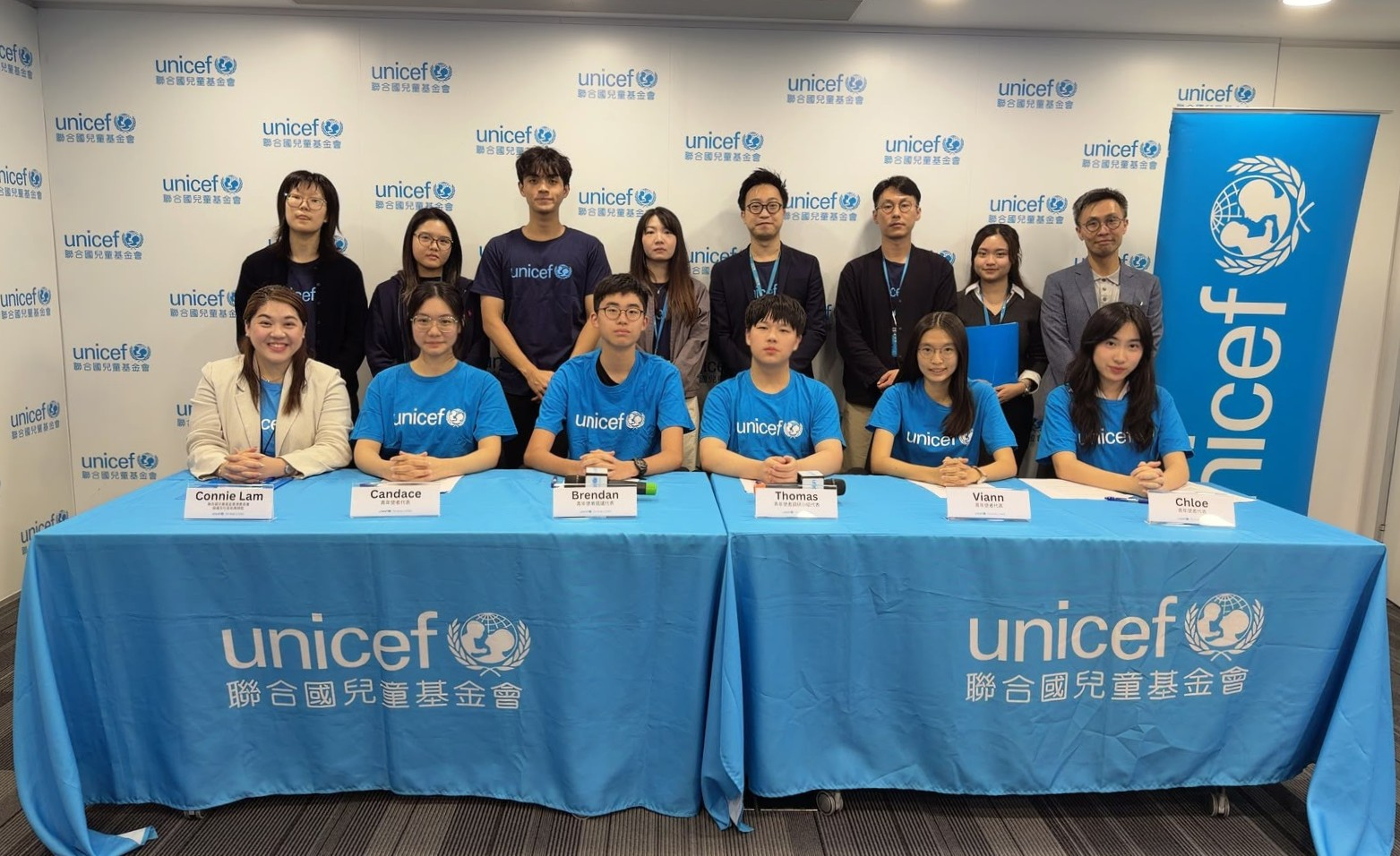 UNICEF HK works hand-in-hand with UNICEF Young Envoys to assist them in releasing survey results.
For media enquiries, please contact:
Piano Ho
Assistant Manager, Communications and Media Relations
Tel: 2836 2942 Email: [email protected]
Olivia Zou
Specialist, Communications and Media Relations
Tel: 2836 2940 Email: [email protected]
About UNICEF HK
Hong Kong Committee for UNICEF (UNICEF HK) was founded in 1986 and was established as an independent local non-government organization to raise funds through public donations, partnerships with companies, special events, etc. to support UNICEF’s work. UNICEF HK also promotes and advocates for children’s rights via organizing education and youth programmes in Hong Kong.
About UNICEF Young Envoys Programme
Launched by Hong Kong Committee for UNICEF in 1996, UNICEF Young Envoys Programme provides learning opportunities for local young people to understand issues relating to children's rights to survival, protection, development and participation. Through field visits, advocacy, research and public education initiatives, the Programme creates opportunities for children and young people to express their views.